Physical Address
304 North Cardinal St.
Dorchester Center, MA 02124
Physical Address
304 North Cardinal St.
Dorchester Center, MA 02124

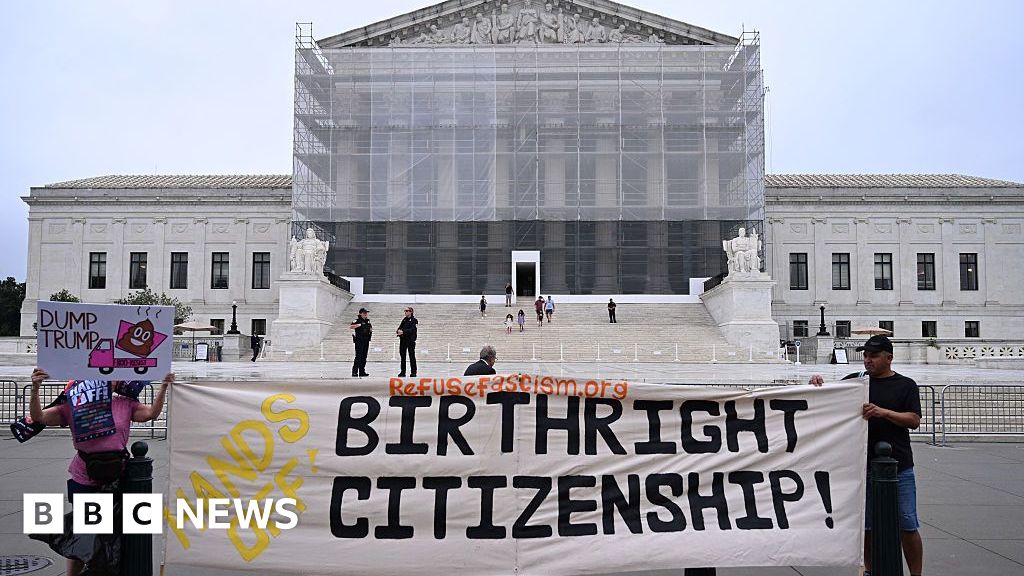
The U.S. Supreme Court has agreed to hear a case asking whether citizenship guarantees that have given people born in the United States centuries-old constitutional rights will remain in place.
President Donald Trump signed an order ending birthright citizenship on his first day in office in January, but the move was blocked by a lower court after its constitutionality was questioned.
The Supreme Court’s final ruling will either uphold the citizenship rights of children of immigrants illegally or on temporary visas or end them.
Next, the judge will set a date to hear oral arguments between the government and the plaintiffs, which include immigrant parents and their infants.
For nearly 160 years, the 14th Amendment to the U.S. Constitution has established the principle that anyone born in the United States is a U.S. citizen, with the exception of children born to diplomats and foreign troops.
The amendment’s language states: “All persons born or naturalized in the United States, and subject to the jurisdiction thereof, are citizens of the United States.”
Trump’s executive order seeks to deny citizenship to the children of people who are in the U.S. illegally or on temporary visas.
The United States is one of about 30 countries, mainly in the Americas, that grant automatic citizenship to people born within its borders.
Following legal challenges to Trump’s executive order, several federal court judges ruled it violated the Constitution, while two federal circuit appeals courts upheld injunctions that prevented it from taking effect.
The Fourteenth Amendment was passed after the American Civil War to resolve the issue of citizenship for freed slaves born in the United States.




