Physical Address
304 North Cardinal St.
Dorchester Center, MA 02124
Physical Address
304 North Cardinal St.
Dorchester Center, MA 02124

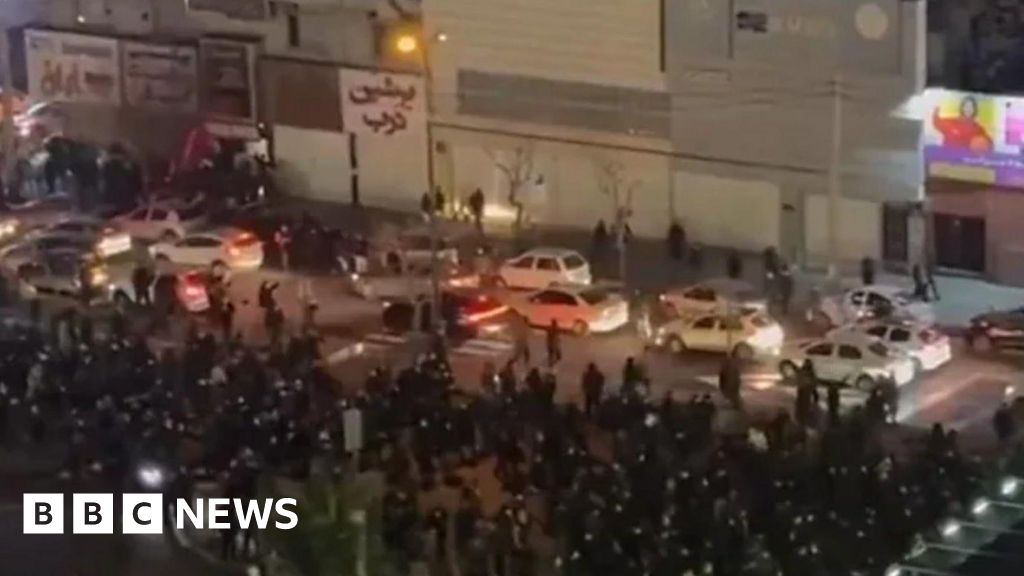
Videos posted on social media showed large crowds of protesters marching through Tehran and other Iranian cities in what was described as the largest show of force against the theocratic establishment in years.
Rallies in Tehran and Iran’s second-largest city Mashhad were seen in videos verified by BBC Persian, with security forces not breaking up the peaceful demonstrations. Violent clashes broke out in several cities on Wednesday.
Crowds in Mashhad called for the overthrow of Supreme Leader Ayatollah Ali Khamenei and the return of Reza Pahlavi, the late former king’s exiled son, who had urged his supporters to take to the streets.
Thursday’s protests were the largest by Iran’s regime opponents since 2009, when millions of people protested after a disputed presidential election.
According to the Human Rights Activities News Agency (HRANA), this is the 12th consecutive day of riots in Iran, and the protests have spread to 140 cities and towns in 31 provinces across the country.
At least 34 protesters and seven security personnel were reportedly killed during the riots, and 2,270 protesters were arrested.
Another group, the Norway-based Iran Human Rights Group, said at least 45 protesters, including eight children, were killed by security forces.
BBC Persian has confirmed the deaths and identities of 21 people, while Iranian authorities reported the deaths of five security personnel.
The protests began on December 28, when shopkeepers took to the streets of the capital, Tehran, to express anger at another sharp drop in the value of Iran’s currency, the rial, against the U.S. dollar on the open market.
The rial has fallen to record lows over the past year and inflation has soared to 40% as sanctions over Iran’s nuclear program squeeze an economy also weakened by government mismanagement and corruption.
University students soon joined the protests, which began to spread to other cities, and crowds were often heard chanting slogans against religious institutions.