Physical Address
304 North Cardinal St.
Dorchester Center, MA 02124
Physical Address
304 North Cardinal St.
Dorchester Center, MA 02124

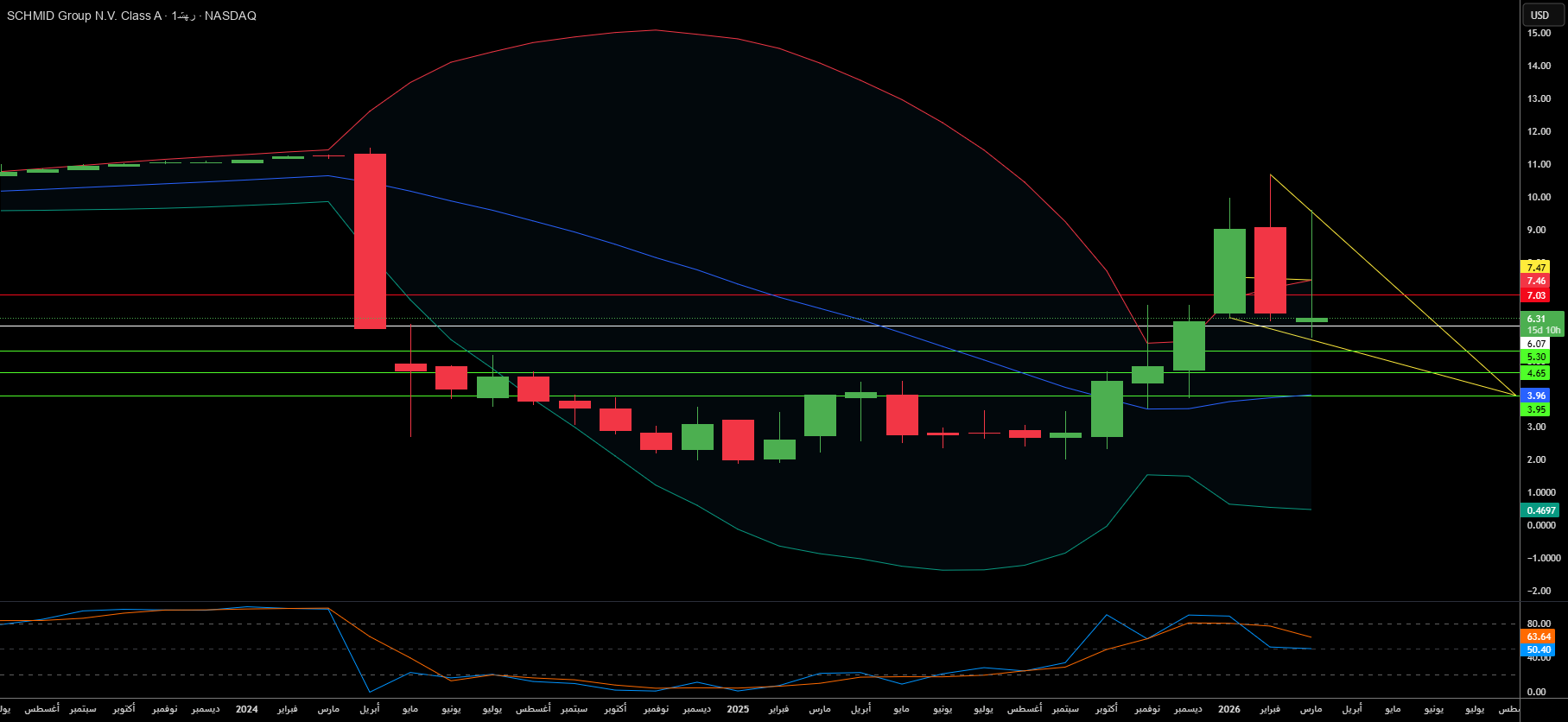


SCHMID Group (Nasdaq: SHMD) occupies a unique position in the global artificial intelligence infrastructure supply chain, producing and processing the advanced substrates and precision equipment necessary for high-density interconnects used in artificial intelligence server motherboards. The company, which has twin production facilities in Freudenstadt, Germany and Zhongshan, China, leverages its proprietary innovations, including “Embedded Trace” technology that can shrink production line dimensions to 2 microns, and its collaboration with TRUMPF on glass core substrates, to compete in markets far beyond what its competitors can serve.
However, the company’s fortunes remain closely tied to China, which will account for 22% of revenue in 2024, down sharply from 41% in 2022, as trade tensions rise. A prolonged slump in Chinese demand has caused a sharp decline in financial results through the end of 2024, pushing adjusted earnings before interest, taxes, depreciation, and amortization (EBITDA) near zero and forcing the company to take emergency measures: a $30 million convertible note financing with Linden Advisors and a $27 million debt-for-equity swap with XJ Harbor HK Limited. The moves stabilized the balance sheet but significantly diluted shareholders, reflecting the turbulent financial situation following the SPAC’s transformation.
Looking ahead, management is targeting revenue of more than €100 million by 2026, helped by a €95 million backlog that includes contracts from Chinese AI server motherboard makers, as well as growing demand from Western reshoring programs driven by European chip laws and U.S. tariff policy. Under the leadership of fifth-generation CEO Christian Schmid, and a board that includes former Jaguar Land Rover CEO Sir Ralf Speth, the company is pushing the company towards artificial intelligence. Success depends on geographic diversification, increasing transparency in U.S. Securities and Exchange Commission reporting, and avoiding the serious risk that the Taiwan dispute could completely cripple the global semiconductor supply chain.