Physical Address
304 North Cardinal St.
Dorchester Center, MA 02124
Physical Address
304 North Cardinal St.
Dorchester Center, MA 02124

Twenty-five years after negotiations began, the EU reached free trade agreements with Brazil, Argentina, Paraguay and Uruguay, despite opposition from farmers in several European countries.
The deal with the Mercosur trade bloc will need to be approved by the European Parliament in the coming months
Brazilian President Luiz Inácio Lula da Silva hailed a “historic day for multilateralism” after the four South American countries put the final touches to the deal in Brussels.
This comes against the backdrop of US President Donald Trump’s tariffs on countries around the world and his recent military intervention in Venezuela.
The EU has touted its biggest free trade deal to date as a “win-win”, even as critics argue cheap imports could undercut European farmers in products such as beef, poultry and sugar.
President Lula said on
European Commission President Ursula von der Leyen said the deal would bring “meaningful benefits to consumers and businesses on both sides”.
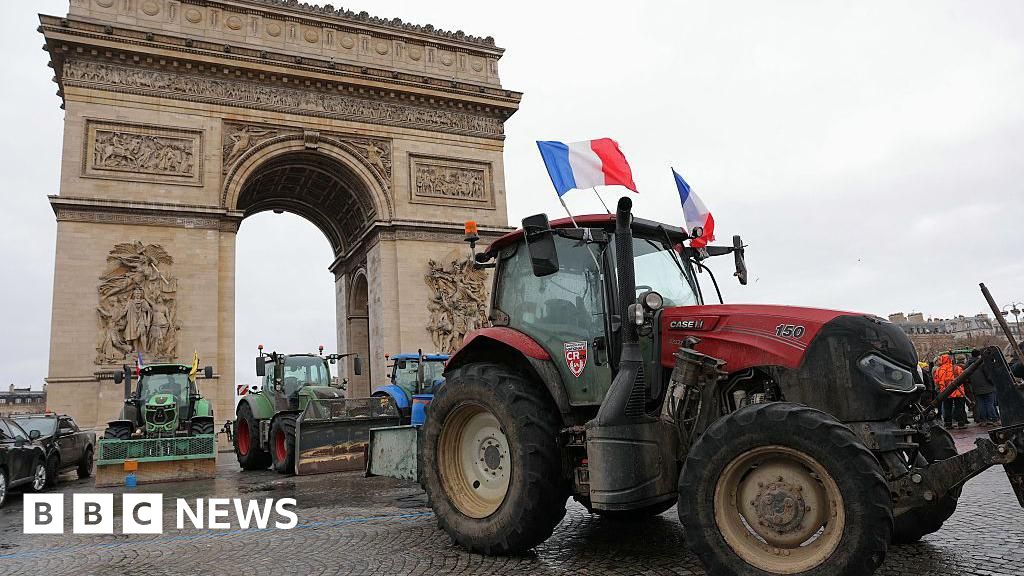
Farmers in several European countries staged final protests against the deal, with tractor marches and demonstrations held in France and Belgium.
“There is a lot of pain,” Judy Pieters, a representative of the Belgian Young Farmers group, told AFP at a protest on a highway south of Brussels. “There is a lot of anger.”
Von der Leyen said the commission listened to farmers’ concerns and took action, including introducing “strong safeguards” in the deal to protect their livelihoods.
The European Commission said that as well as boosting trade and political ties, the deal would help combat climate change by committing to halting deforestation and ensuring a “reliable” flow of raw materials, which is crucial for the global green transition.
The European Commission estimates that the agreement will save local companies 4 billion euros ($4.7 billion, 3.5 billion pounds) in export duties per year.
The South American country is home to gold, copper and some key minerals needed for renewable energy and battery technology.
Former EU trade commissioner Cecilia Malmström, who led EU trade negotiations for five years, told BBC World Service’s World Business Express that parts of the trade deal could be suspended if Mercosur countries fail to adhere to their commitments on environmental protection.
“(This agreement) is also a very strong geopolitical signal to other big countries that don’t value rules-based trade as much as we do,” she said.
On Friday afternoon, the vast majority of EU member states confirmed their support for the free trade agreement, but it still needs approval from the European Parliament before it can take effect.
Jack Allen-Reynolds, deputy chief euro zone economist at Capital Economics, said the parliamentary vote was expected to be close.
However, he said the bigger question was how big an impact the deal would have, pointing to the European Commission’s own estimates that the deal would only boost EU economic output by 0.05%.
“But the bigger point is that even if the deal is eventually implemented, the macroeconomic implications will be minimal,” he said.
“And because it will be phased in over 15 years, these benefits won’t be realized until 2040 at the earliest.”




