Physical Address
304 North Cardinal St.
Dorchester Center, MA 02124
Physical Address
304 North Cardinal St.
Dorchester Center, MA 02124

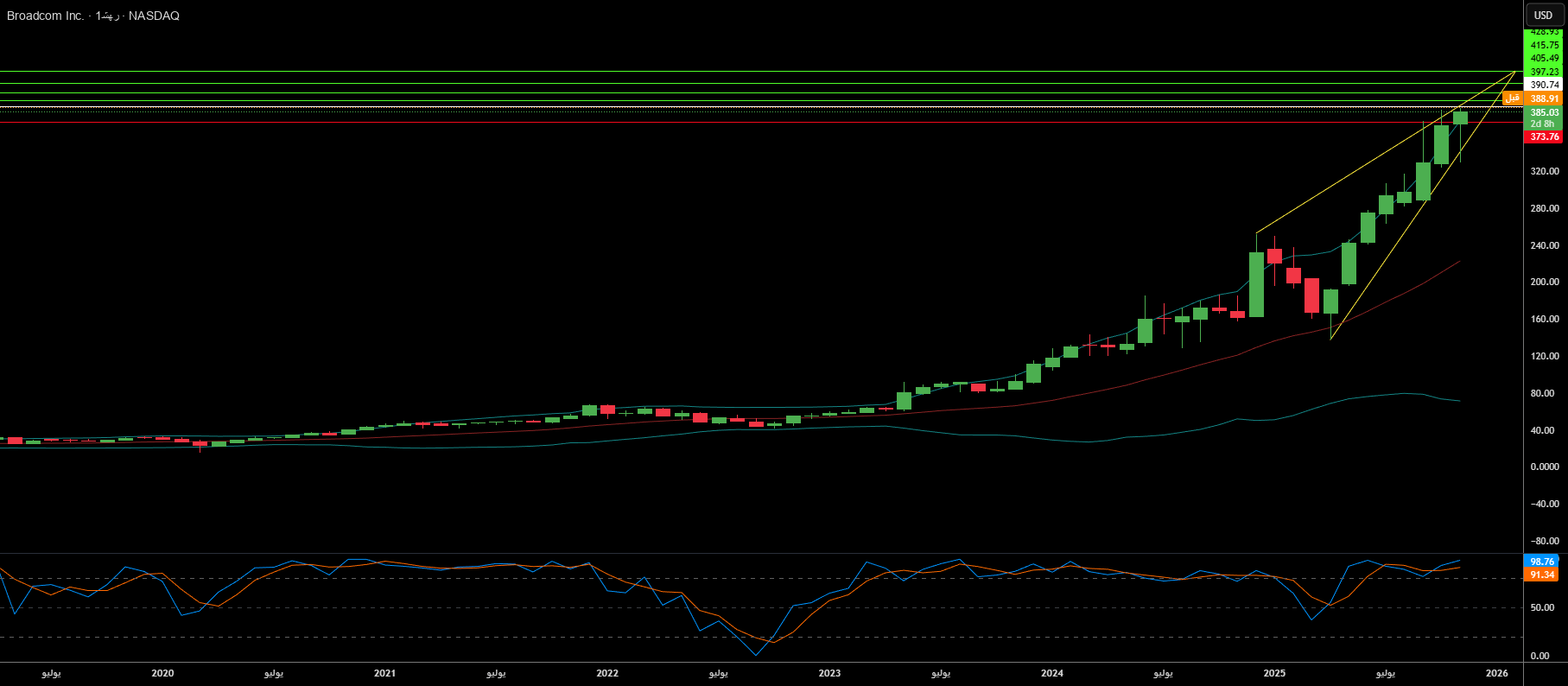
The company’s strategy is based on three pillars: custom chip dominance through the XPU platform, private cloud dominance through the VMware acquisition, and aggressive financial engineering. Broadcom’s technical expertise in key areas such as SerDes technology and advanced chip packaging creates significant barriers to competition. Designed specifically for Google, Ironwood TPU v7 delivers superior performance with innovations in liquid cooling, large HBM3e memory capacity, and high-speed optical interconnects that allow thousands of chips to work as a unified system. This vertical integration from chip design to enterprise software creates a revenue model that is diverse and resilient to market fluctuations.
But Broadcom faces huge risks. Relying on TSMC for manufacturing creates geopolitical vulnerabilities, especially as tensions rise in the Taiwan Strait. U.S.-China trade restrictions have squeezed certain markets, although sanctions have also concentrated demand from compliant sellers. In addition, the company has more than $70 billion in debt from its VMware acquisition and needs to aggressively deleverage despite strong cash flow. The company’s controversial shift to subscription-based pricing for VMware, while a financial success, also caused customer dissatisfaction.
Looking ahead, Broadcom appears well-positioned to continue building out its AI architecture through 2030. The shift toward inference workloads and “agent” AI systems favors custom integrated circuits (ASICs) rather than general-purpose GPUs, a core strength of Broadcom. The patent portfolio provides partners with offensive licensing revenue and defensive protection. Under Chief Executive Officer Hock Tan, Broadcom has demonstrated ruthless operational efficiency, focusing on higher-value enterprise customers while selling off non-core assets. As AI deployment accelerates and enterprises embrace private cloud architectures, Broadcom’s unique positioning — spanning custom silicon, network architecture and virtualization software — makes it a significant, albeit largely invisible, enabler of the AI era.




